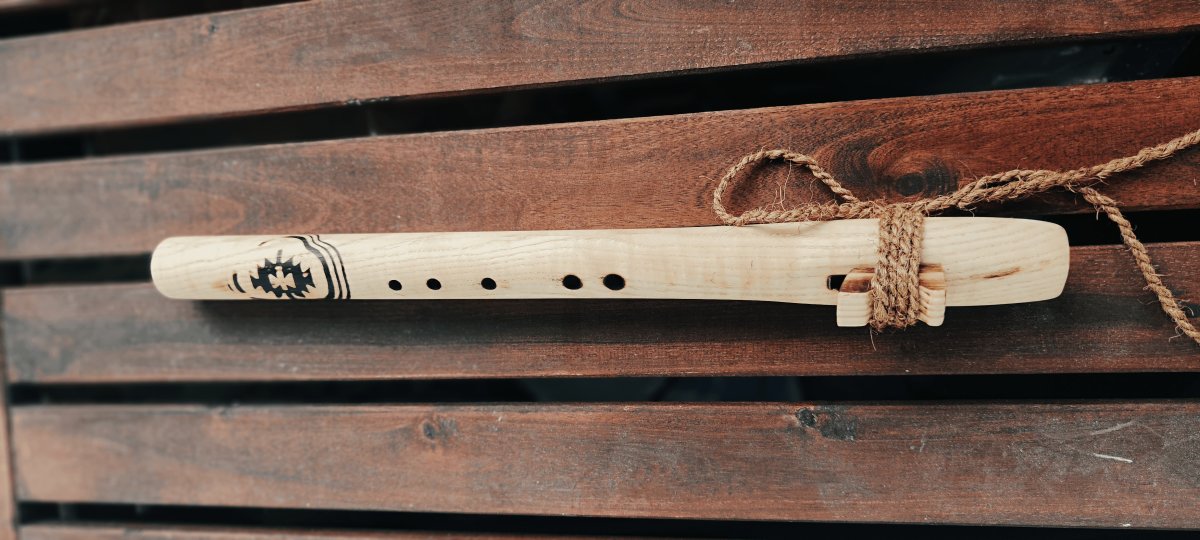
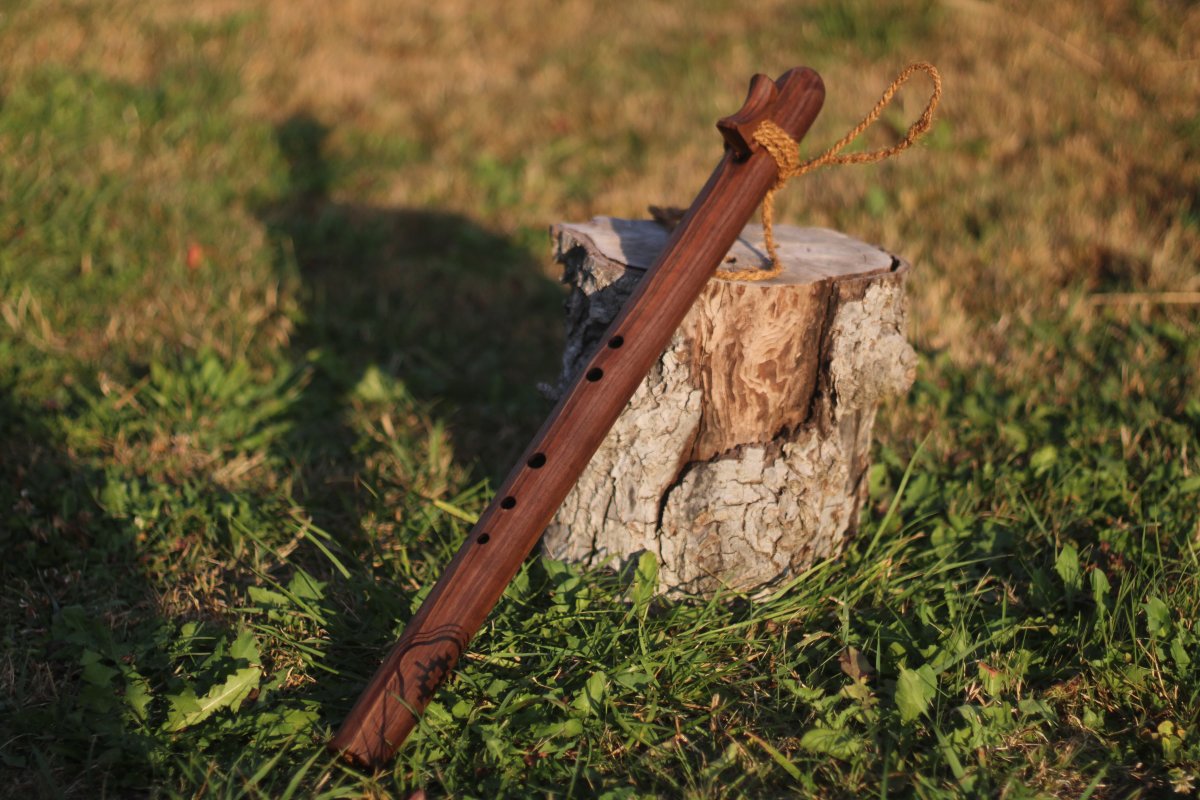
Whether you just got your first flute or you are still thinking about buying one, these are the few things that help beginners the most. They are not theory. They are what we see again and again when someone picks up a flute for the first time.
1. Cover the holes fully
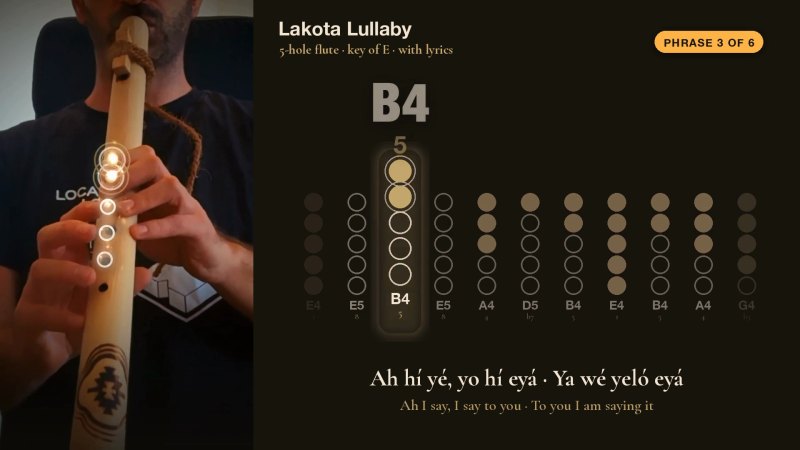
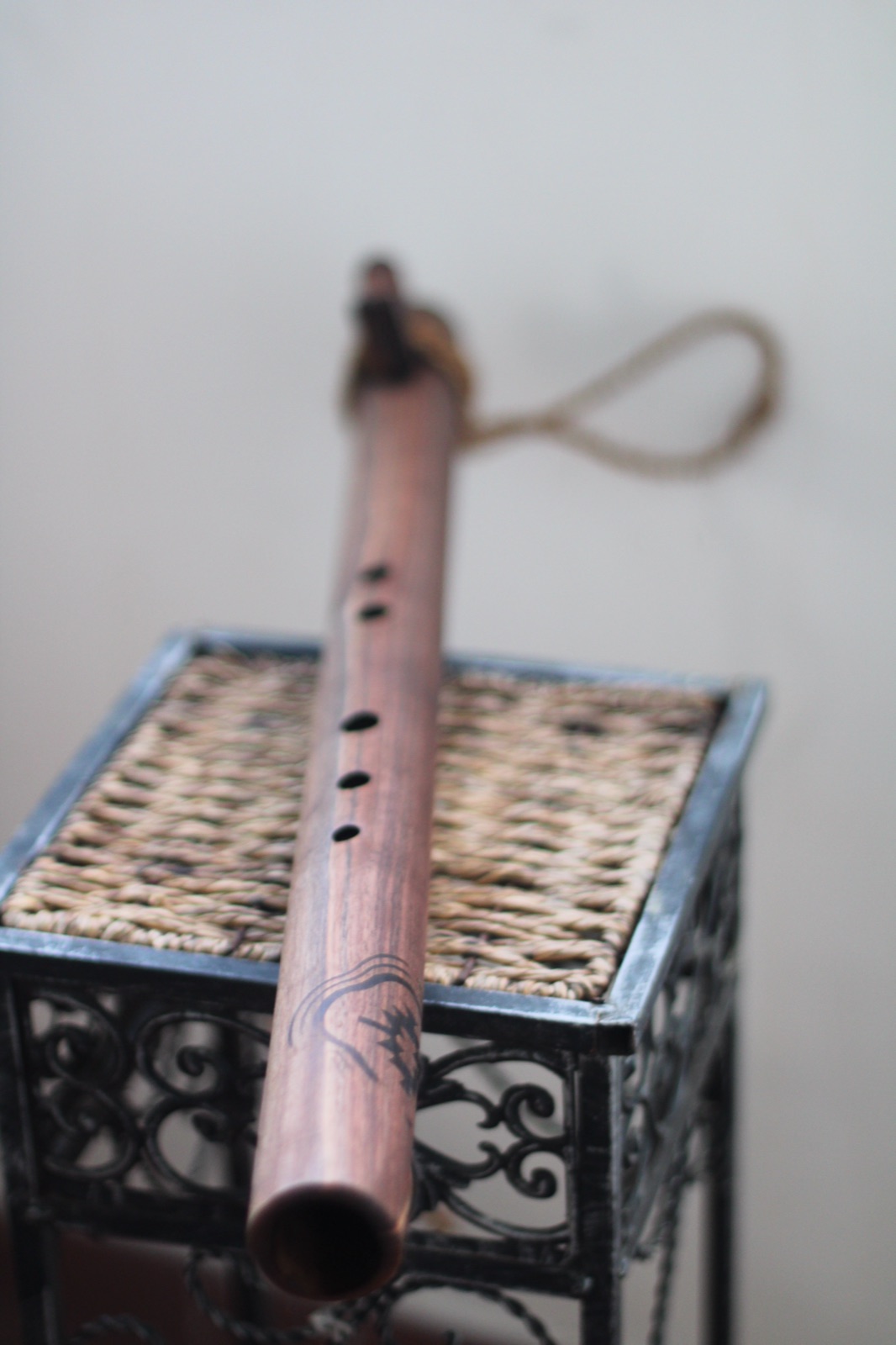
If a note sounds airy or squeaks, check your fingers first. Even a small gap under one finger changes the note. Use the flat, soft pads of your fingers, not the tips, and close each hole completely. On lower flutes the holes are further apart, so take a moment to find a hand position where every finger sits flat on its hole.
2. Do not grip the flute too hard
Hold the flute lightly. Your fingers should be relaxed and simply rest on the holes, not press into them. When you squeeze the flute, your fingers stiffen, move more slowly and are more likely to leave a gap over a hole.
Relaxed fingers matter later too. More advanced techniques, such as playing with partially covered holes, need fine control of each finger. That only works when your hand is not tense. If you get used to a light grip from the start, those techniques will come much easier.
3. On low flutes, blow warm air
This tip is for low flutes (Low E, Low D, Low C). On them the lowest note, with all holes covered, often does not come out clean and jumps up into a high, sharp sound instead. The reason is almost always the same: too much air, too fast.
Blow warm, slow air, like when you warm your hands with your breath on a cold day. Not like blowing out a candle. That kind of air is softer and slower, and the low note comes out clean. If it still jumps, blow even less. Low flutes need less air than you think.
4. Sit or stand up straight and tighten your stomach
More control comes from your body, not from your mouth. Straighten your back and gently tighten your stomach muscles. Now your breath is steady and you can make it as soft or as strong as you need. When you slouch, the air comes out unevenly and the tone shakes.
This also helps with vibrato, that gentle wave in the tone. Vibrato is made with the diaphragm, not with the throat or lips. Play a long note and push the air in small, soft pulses from your belly, as if you are quietly laughing "ha-ha-ha" without a voice. Start slowly. With good posture and a firm stomach this becomes easy soon.
5. A few minutes every day
Ten minutes a day is better than one hour once a week. Short, regular practice builds muscle memory: your fingers learn where the holes are and your breath learns how much air each note needs. After a week or two you stop thinking about it and just play.
If you are buying your first flute
All of the above works on any flute, but two things make the start easier:
- Pick the key by your hands. Mid keys (A, G, F#) are shorter and the holes are closer together. Low keys sound deeper and calmer, but need a wider finger stretch and more breath control. More about this in our flute buying guide.
- Make sure it is in tune. A well tuned flute rewards good breathing with a clean tone. You can check any flute with our online tuner.
You can see all our flutes on the available flutes page, and if you are not sure which one suits you, just write to us.