Native American Indians have been making musical instruments for as long as we have been able to speak and walk. Many native instruments have only one purpose, such as the drum. It is said that the drum is the heartbeat of the Mother Earth. Looking at it from that perspective, the flute is like the wind or breath of the earth and can be as refreshing as a gentle breeze on a warm summer day. — Charlie Mato-Toyela, iz knjige The Art of Native American Flute Making
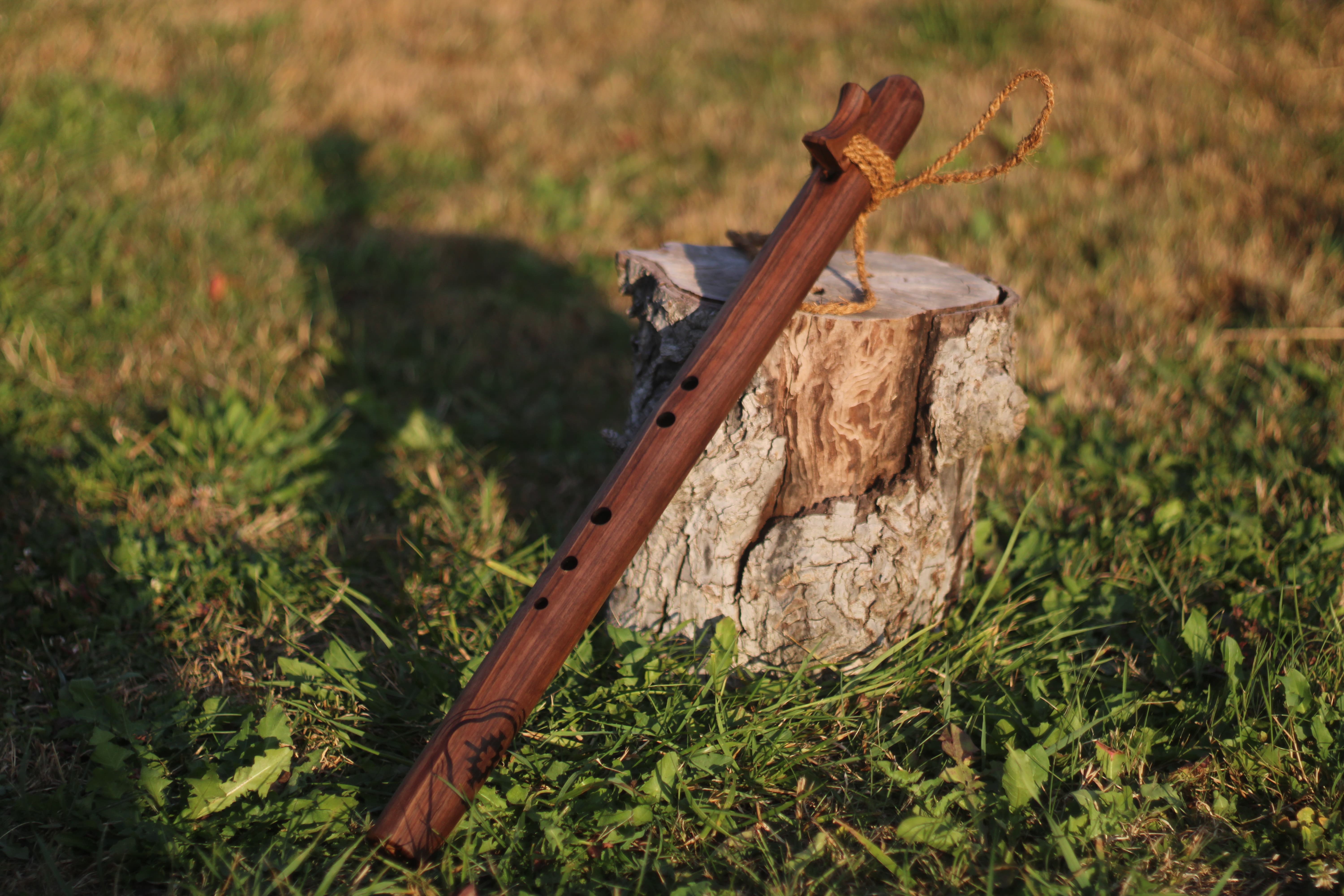
5-Hole Wooden Flute
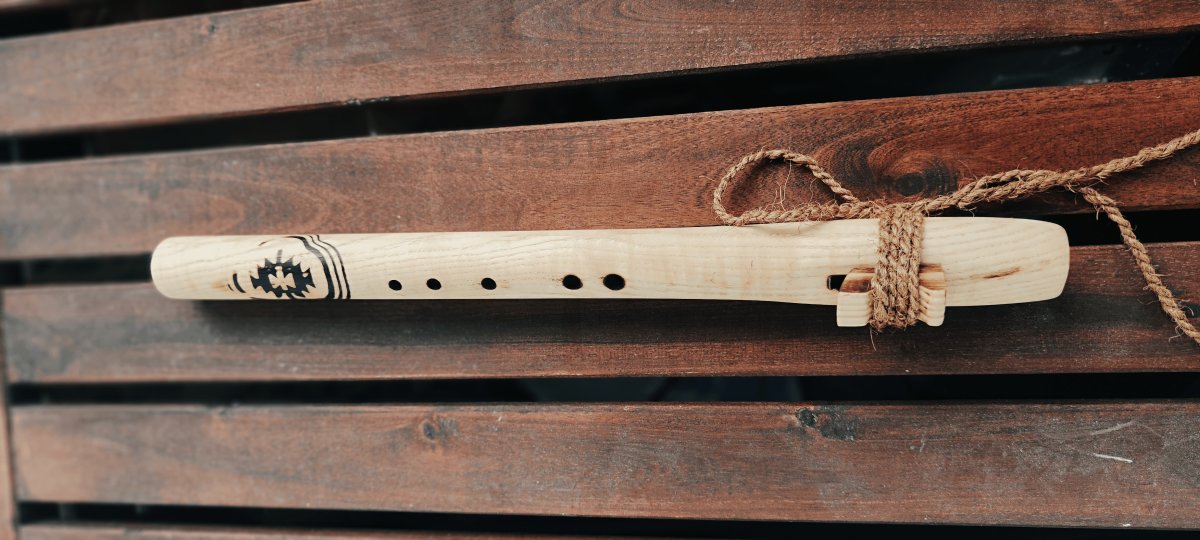
The 5-hole flutes we make are instruments originating from an Indigenous North American tradition that is thousands of years old. Over that long period, flutes were crafted from bone, clay, reed, and wood—with 4, 5, or more holes—and in the very beginning, they were made without a mouthpiece, meaning the air had to be blown directly onto the cut edge of the flute.
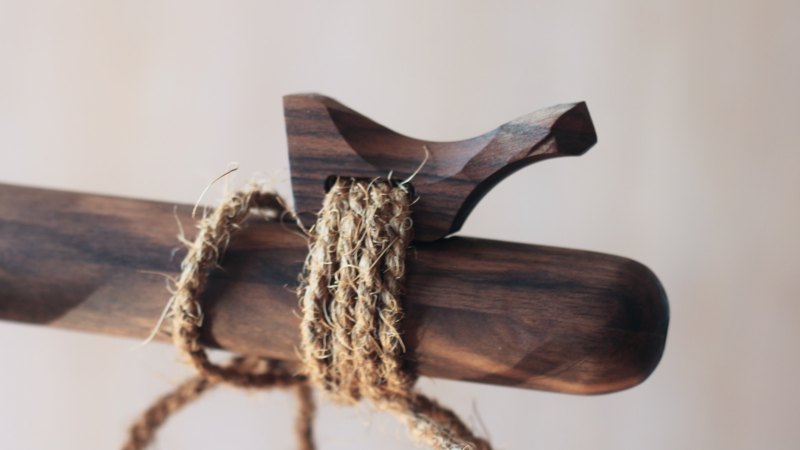
The 5-hole wooden flute consists of two air chambers connected by a narrow "channel" and a wooden block (the so-called "bird") that covers the channel and directs the air. The first chamber can be completely open, or feature a mouthpiece with a hole into which you blow air. The sound of the flute is generated right at the entrance to the second chamber as the air splits on the sharpened edge. The sound then travels through the "tube," and the size of the flute itself determines the fundamental tone/key (when all holes are closed). The smaller the flute, the higher the tone, and vice versa.
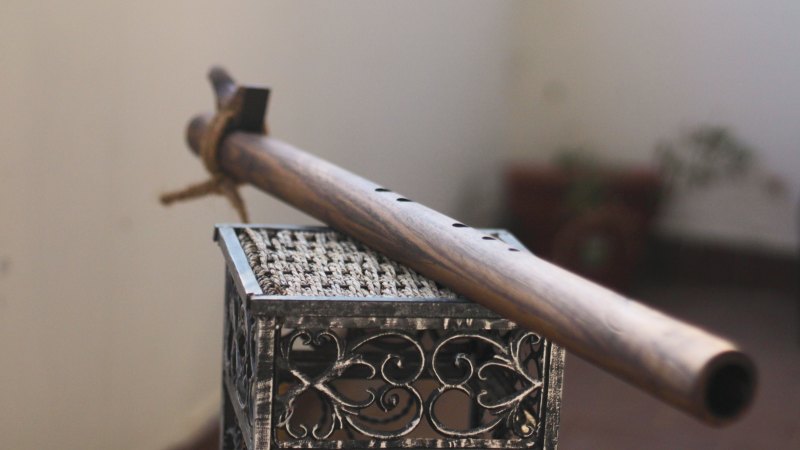
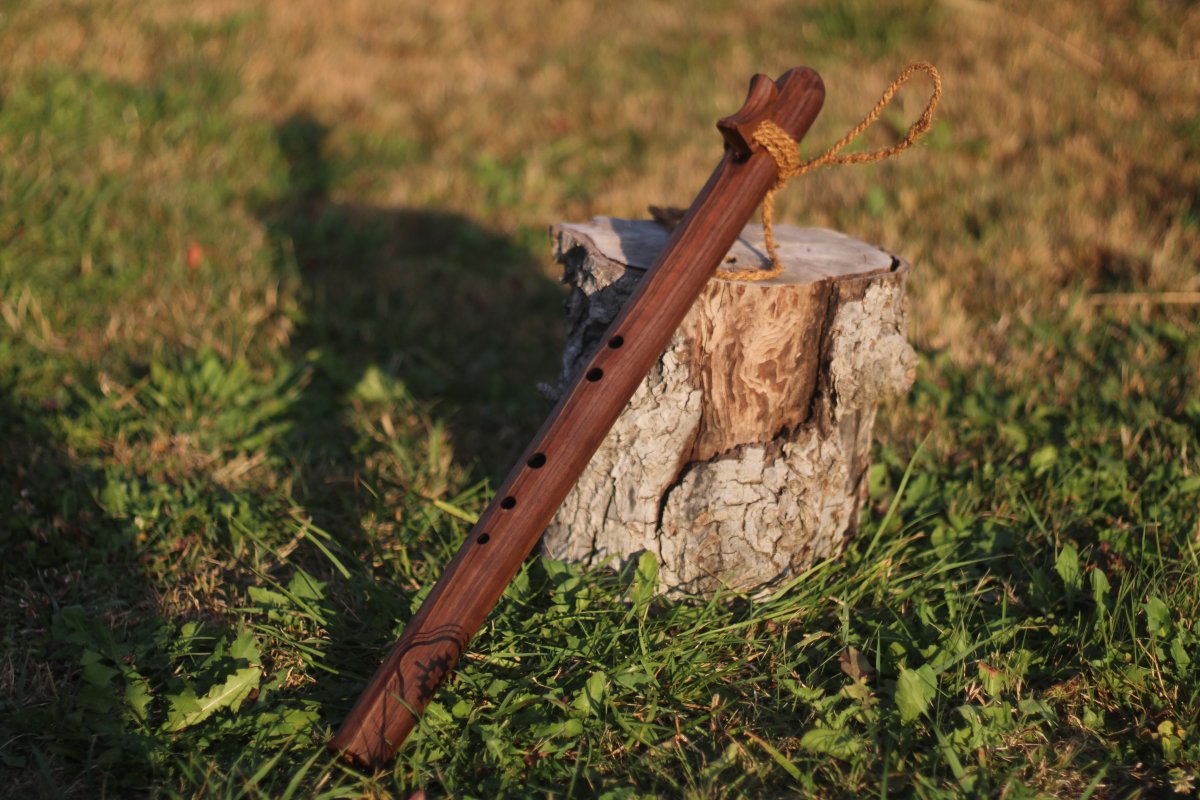
These flutes have a distinctive soft and "airy" tone. The timbre is influenced by several factors, such as the type of wood (the way the sound resonates), internal texture, air splitting angle, temperature, and so on. It is played by covering the top two holes with your left hand and the bottom three holes with your right.
The five-hole model is tuned to a minor pentatonic scale, which you can play by lifting your fingers one by one from the bottom up. By combining covered/uncovered holes, or partially covering holes, it is also possible to play tones of the major pentatonic or chromatic scale.
Therapeutic Effect
There are numerous studies proving the positive effect of playing these flutes on human health. Due to its natural resonance of breath, air, and wood, playing these flutes has a therapeutic effect on the player, promoting self-awareness—thanks to breath control—and the relaxing effect of the sound and vibration of the flute itself.
"When you play the flute, you are not just making sound; you are dictating a new, calmer tempo of life to your heart."
The Natural Way
No paints or varnishes are used for the finish of these flutes; instead, they are coated with natural oils so that the wood can "breathe" naturally in response to temperature changes. In the case of the Resonant Crafts crafting method, the flute is additionally protected with a combination of beeswax and vegetable oil. In this way, all the pores in the wood are sealed, which further improves the sound, and over time a patina forms on the wood that protects it from decay. With the selection of quality wood and minimal maintenance, these flutes can last for hundreds of years.